


Introduction
USB medical endoscopes have revolutionized minimally invasive surgery, offering healthcare professionals enhanced flexibility, portability, and cost-efficiency. These portable endoscopes have become increasingly integral to various surgical procedures, providing high-definition imaging with a simplified interface. This article explores the clinical advantages of USB medical endoscopes, compares them with traditional endoscopes, and delves into specific applications across different surgical specialties and locations, while also addressing limitations and regulatory considerations.
Clinical Advantages of USB Portable Medical Endoscopes
Portability and Ease of Use
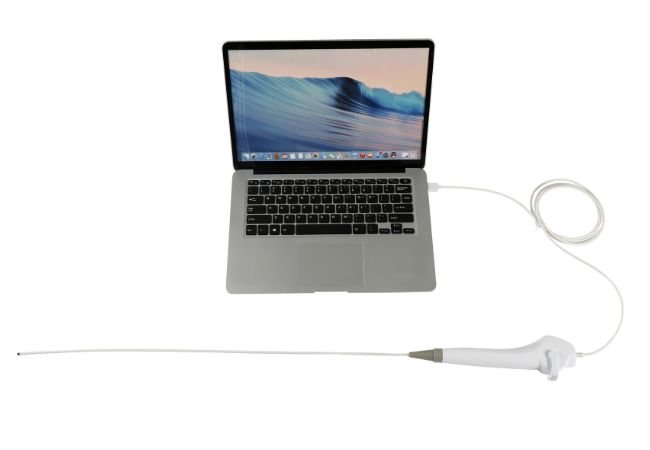
USB portable endoscopes are compact and lightweight, making them highly portable. This portability is particularly beneficial in settings such as rural clinics, emergency rooms, and mobile medical units, where space and resources are often limited. The plug-and-play nature of USB connectivity allows for quick setup and use, reducing the time needed for equipment preparation and enabling immediate diagnostics or interventions.
High-Quality Imaging
Despite their compact size, USB portable endoscopes deliver high-resolution images crucial for accurate diagnosis and precise surgical interventions. Advanced camera technology ensures that even small anatomical structures can be visualized with clarity, enhancing the overall effectiveness of the procedure. This imaging quality is comparable to that of traditional endoscopes, but at a fraction of the cost and with greater ease of use.
Cost-Efficiency
USB portable endoscopes are generally more affordable than traditional endoscopy systems, which require extensive hardware and maintenance. This cost-efficiency makes these portable endoscopes accessible to a broader range of healthcare facilities, including those in underserved areas. Additionally, the reduced need for complex hardware and maintenance further lowers operational costs, making these devices an attractive option for budget-conscious medical institutions.
Versatility
USB portable endoscopes are compatible with various devices, including laptops, tablets, and smartphones, allowing for flexibility in viewing and recording procedures. This versatility is particularly useful in telemedicine, where real-time video consultations can be conducted, enabling specialists to provide remote guidance during surgeries or diagnostic procedures. Traditional endoscopes typically require dedicated monitors and systems, which can be less adaptable in diverse clinical settings.
Enhanced Patient Comfort
The smaller size and more flexible design of USB portable endoscopes contribute to a less invasive experience for patients. This improvement in patient comfort can lead to quicker recovery times and a reduced risk of complications, particularly in procedures involving delicate tissues or complex anatomical regions.
Comparison with Traditional Endoscopes
Traditional endoscopes, such as fiber-optic and video-based systems, are well-established in surgical practices and offer robust imaging and functionality. However, they require bulky equipment, dedicated power sources, and significant investment, which can limit their use in resource-constrained environments. In contrast, USB portable endoscopes provide a more accessible and flexible option for many healthcare settings, particularly those with budget limitations or space constraints.
USB portable endoscopes offer distinct advantages in terms of portability, cost, and versatility. However, traditional systems may still have an edge in specialized procedures where ultra-high-definition imaging, advanced magnification, or integrated features are required. These traditional systems are often more durable and better suited for high-volume environments, such as large hospitals or specialized surgical centers.
Limitations of USB Portable Endoscopes
While USB portable endoscopes offer many advantages, there are limitations that should be considered:
Durability and Longevity: USB portable endoscopes may not have the same durability as traditional systems, which are often built to withstand heavy use in clinical environments. This could result in a shorter lifespan, especially in high-volume settings.
Processing Power and Features: USB portable endoscopes typically rely on external devices (e.g., laptops or tablets) for image processing and storage, which may limit their functionality compared to traditional systems with integrated processors. Advanced features like 3D imaging or enhanced magnification might be less accessible with USB models.
Applicable Surgical Types and Locations
Otolaryngology (ENT)
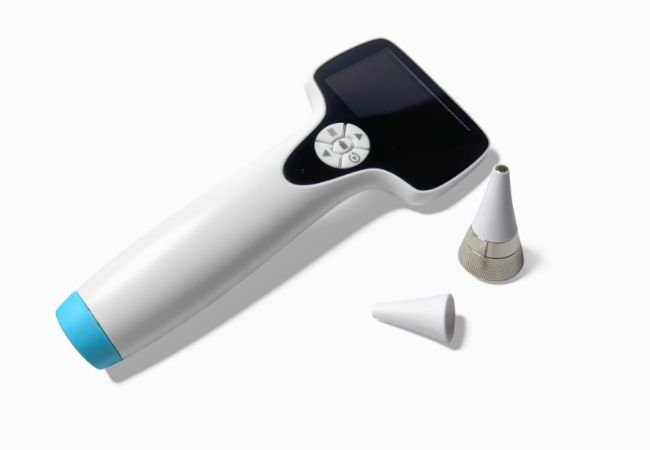
In otolaryngology, USB portable endoscopes are commonly employed in procedures involving the nasal passages, sinuses, and larynx. These devices are particularly useful for performing endoscopic sinus surgery, laryngoscopy, and the removal of foreign bodies. The portability of USB endoscopes makes them ideal for outpatient settings, where quick and accurate diagnostics are essential. Their flexibility also supports procedures in challenging anatomical regions, such as pediatric or geriatric cases.
Urology
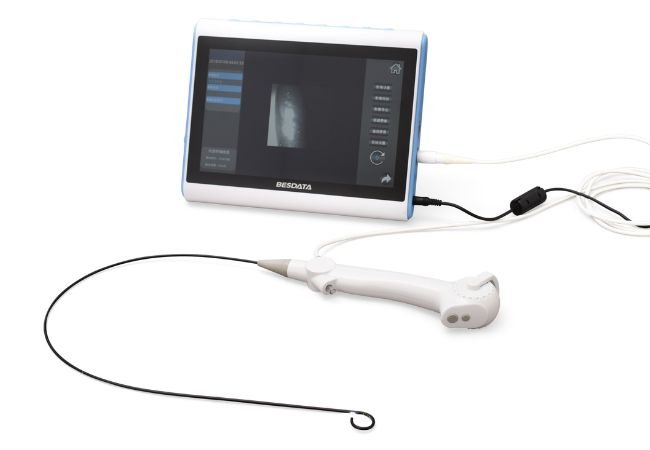
USB portable endoscopes are utilized in urology for procedures such as cystoscopy and ureteroscopy. Their compact design allows for easy navigation through the urinary tract, enabling the visualization and treatment of conditions like kidney stones, tumors, and strictures. The cost-effectiveness of USB portable endoscopes also makes them a viable option for smaller urology clinics, particularly those that may not have the resources to invest in more expensive traditional systems.

Gynecology
In gynecology, USB portable endoscopes are used for hysteroscopy, a procedure involving the examination of the uterine cavity. The high-resolution imaging provided by these devices allows for the accurate diagnosis of conditions such as fibroids, polyps, and adhesions. The portability of USB endoscopes makes them suitable for use in both hospital and office-based settings, facilitating on-the-spot diagnostics and interventions without the need for extensive setup.
Office hysteroscope https://datoparts.com/diagnostic-hysteroscope
Emergency Medicine
In emergency medicine, the portability and ease of use of USB portable endoscopes are invaluable. These devices can be quickly deployed for diagnostic purposes in trauma cases, foreign body removals, and airway management. Their ability to provide immediate visual feedback allows for swift decision-making, which is critical in life-threatening situations. The compact design of USB endoscopes also enables their use in pre-hospital settings, such as ambulances, where traditional systems would be impractical.
Bronchoscope https://datoparts.com/en-brd-portable-disposable-bronchoscope/
Gastroenterology
USB portable endoscopes are increasingly used in gastroenterology for procedures such as upper GI endoscopy, colonoscopy, and esophagogastroduodenoscopy (EGD). The high-definition imaging provided by USB endoscopes allows for detailed examination of the gastrointestinal tract, facilitating the early detection of conditions like ulcers, polyps, and malignancies. In rural or mobile clinics, where traditional endoscopy setups may not be feasible, USB portable endoscopes offer a practical solution for delivering quality care.
Future Outlook
The future of USB portable endoscopes is promising, with ongoing advancements expected to further enhance their capabilities. Developments in imaging technology, such as higher resolution cameras and improved light sources, will likely narrow the gap between USB and traditional endoscopes. Additionally, integration with artificial intelligence (AI) and machine learning could lead to more accurate diagnostics and real-time decision support during procedures.
As telemedicine continues to grow, USB portable endoscopes will play a crucial role in expanding access to specialized care in remote areas. Innovations in wireless connectivity and cloud-based storage may also streamline the use of these devices, making them even more versatile and user-friendly.
Conclusion
USB portable endoscopes are transforming the landscape of minimally invasive surgery, offering a blend of portability, high-quality imaging, cost-efficiency, and versatility. While they may not yet fully replace traditional endoscopes in all scenarios, their unique advantages make them an invaluable tool in various healthcare settings. As technology continues to evolve, USB portable endoscopes are poised to become even more integral to surgical practices, expanding access to quality care and improving patient outcomes worldwide.